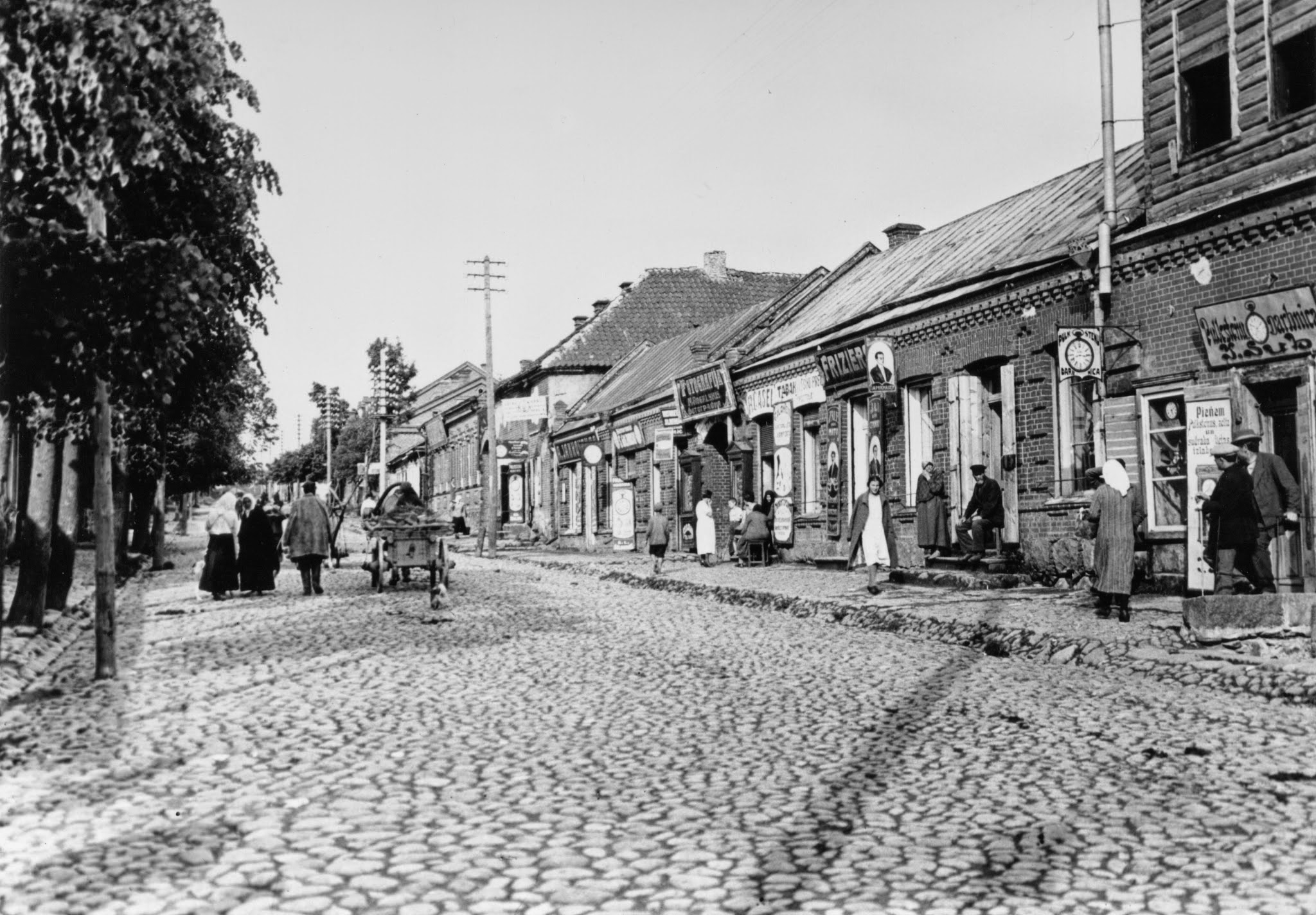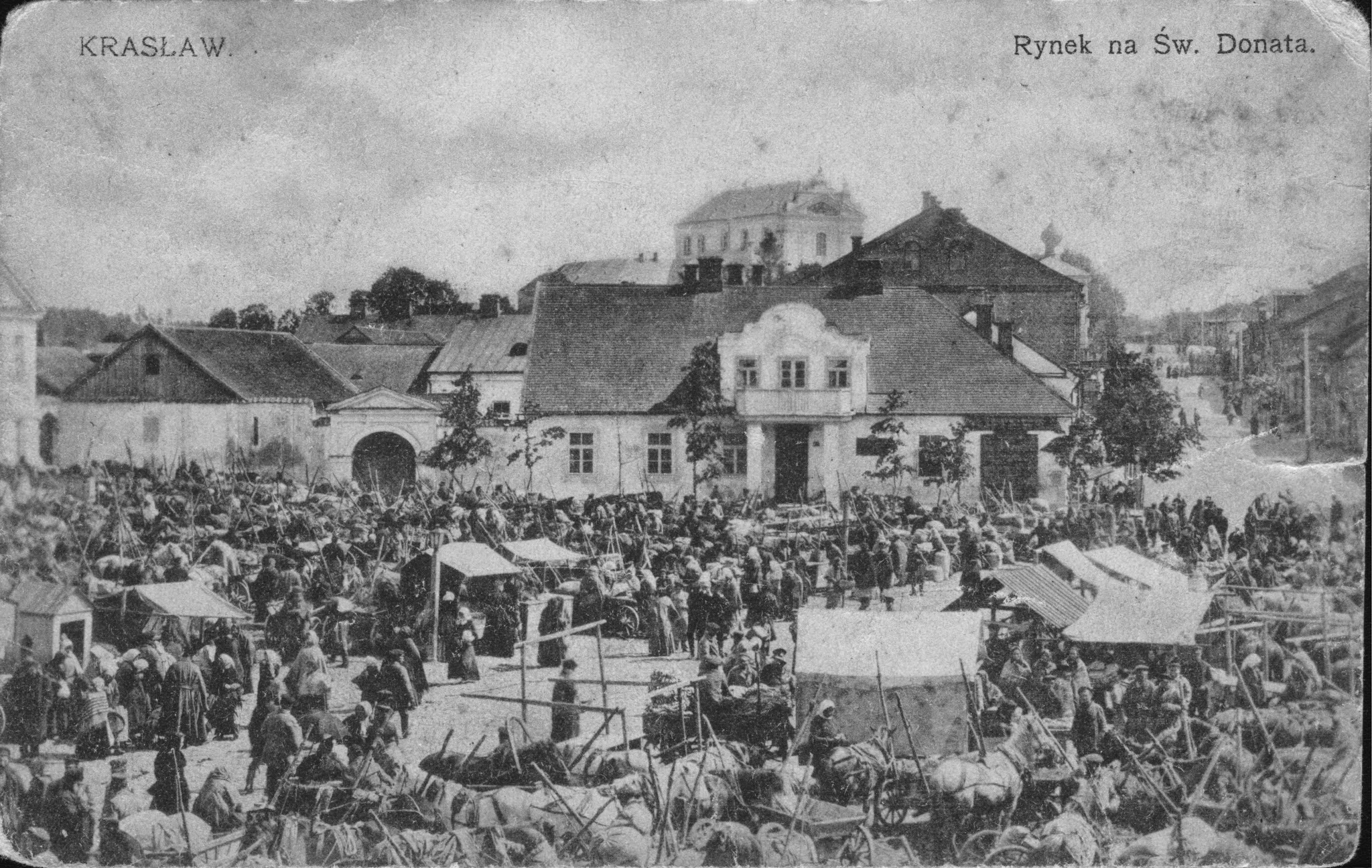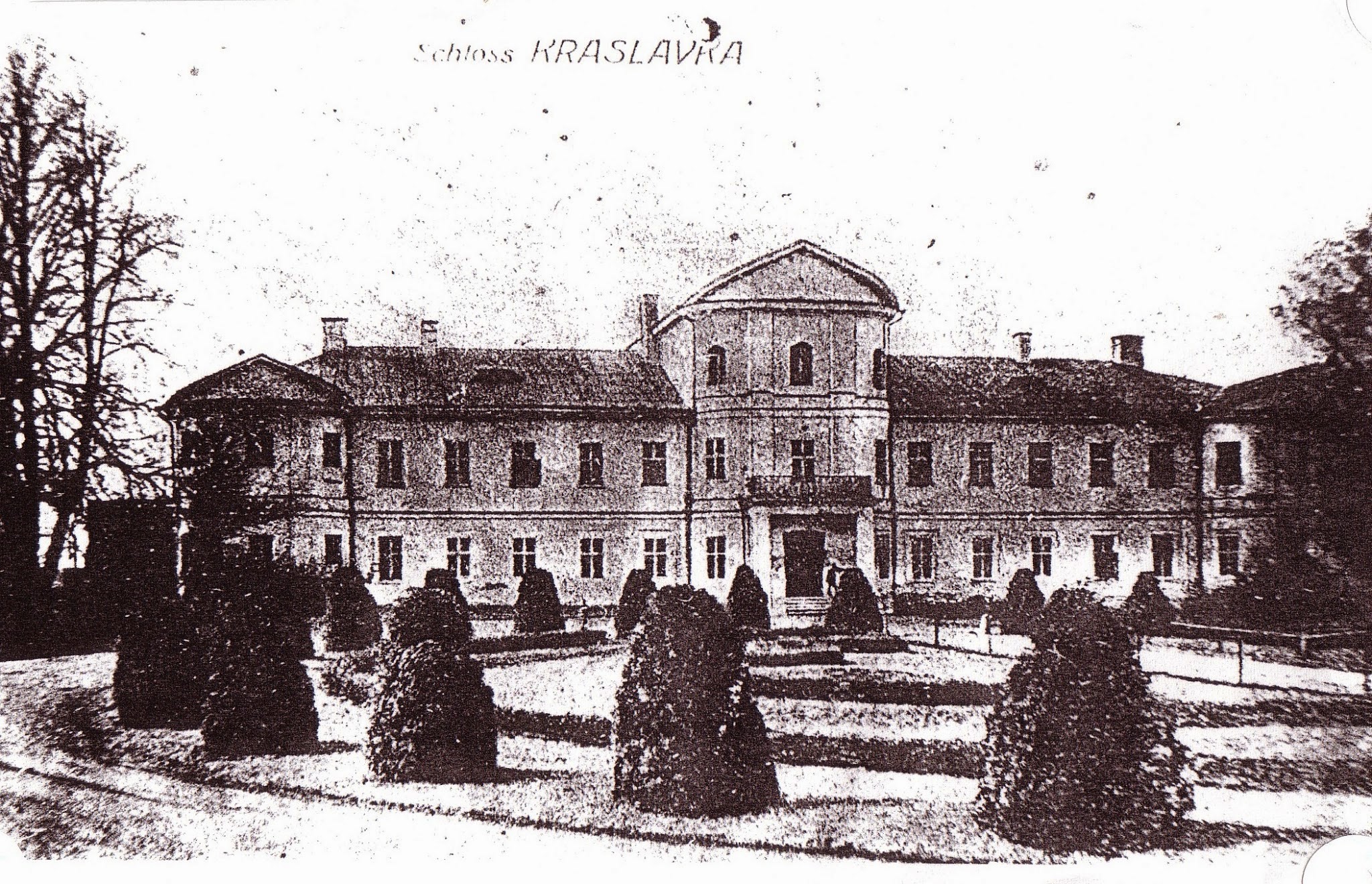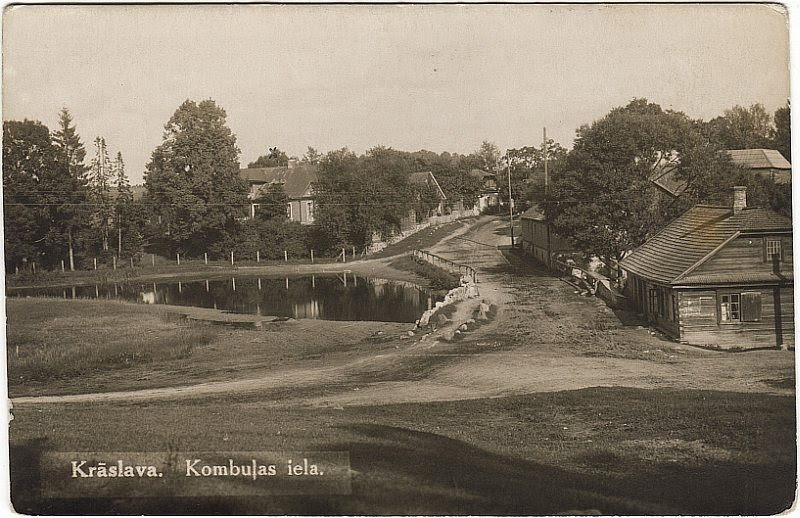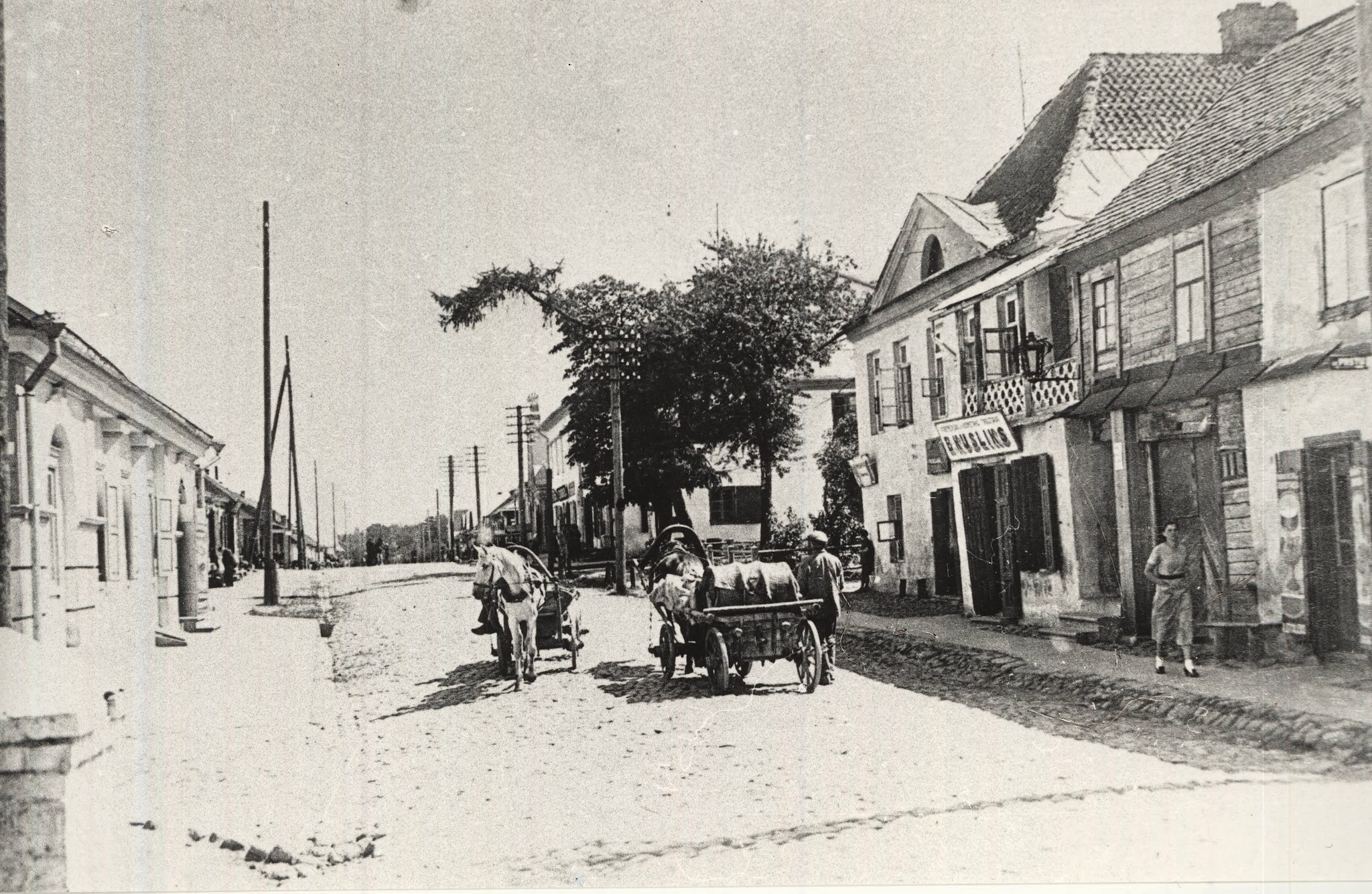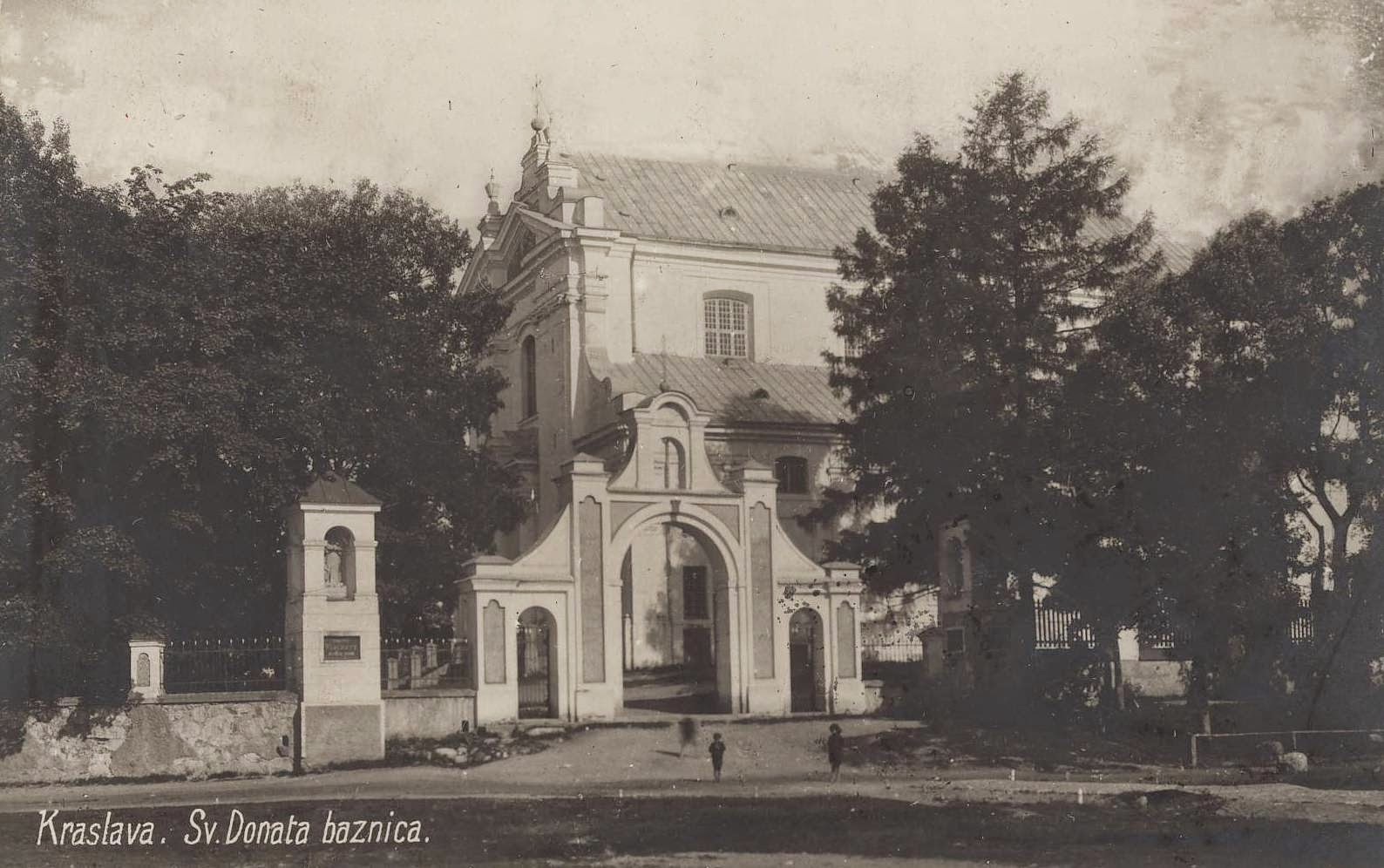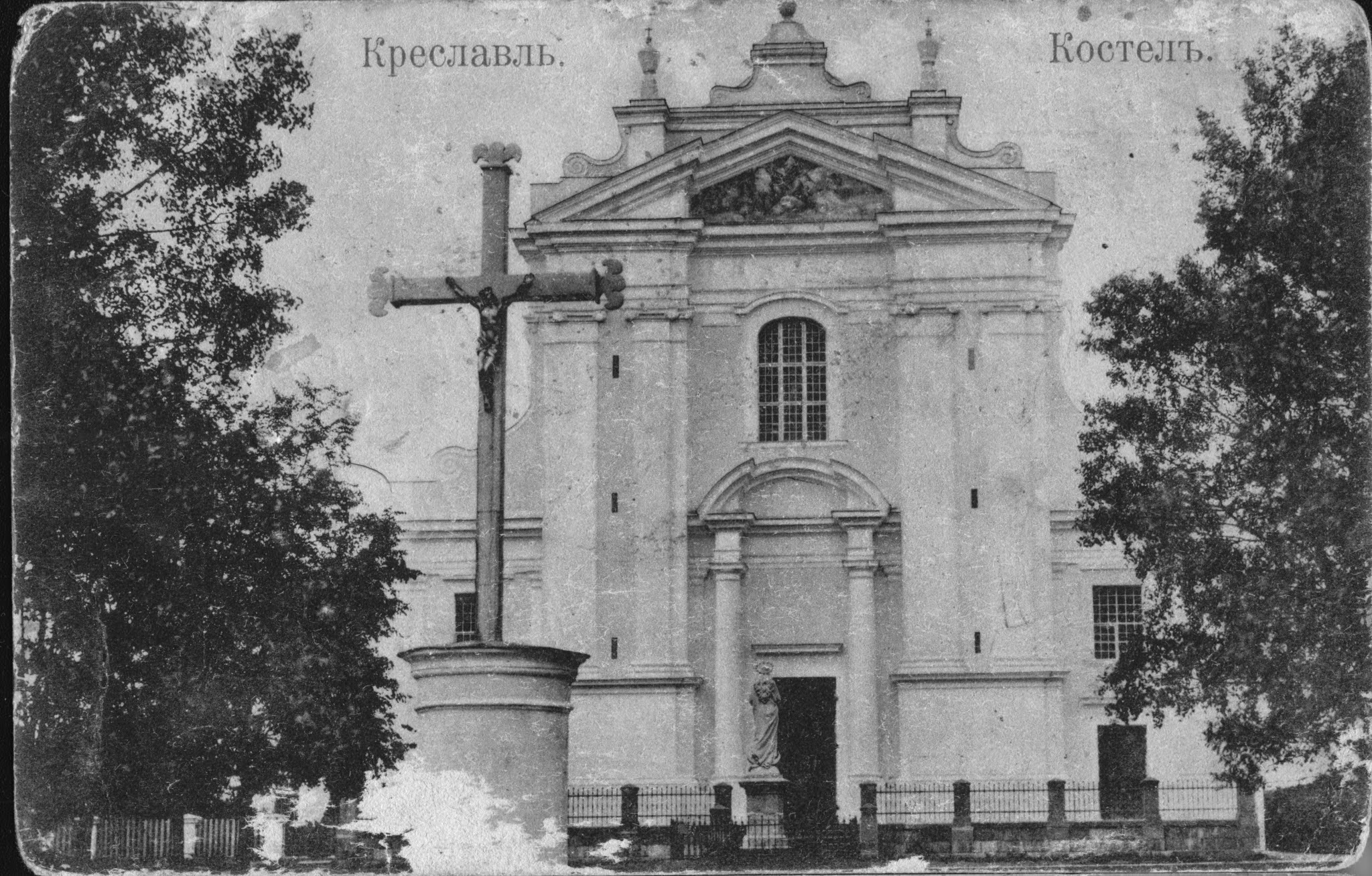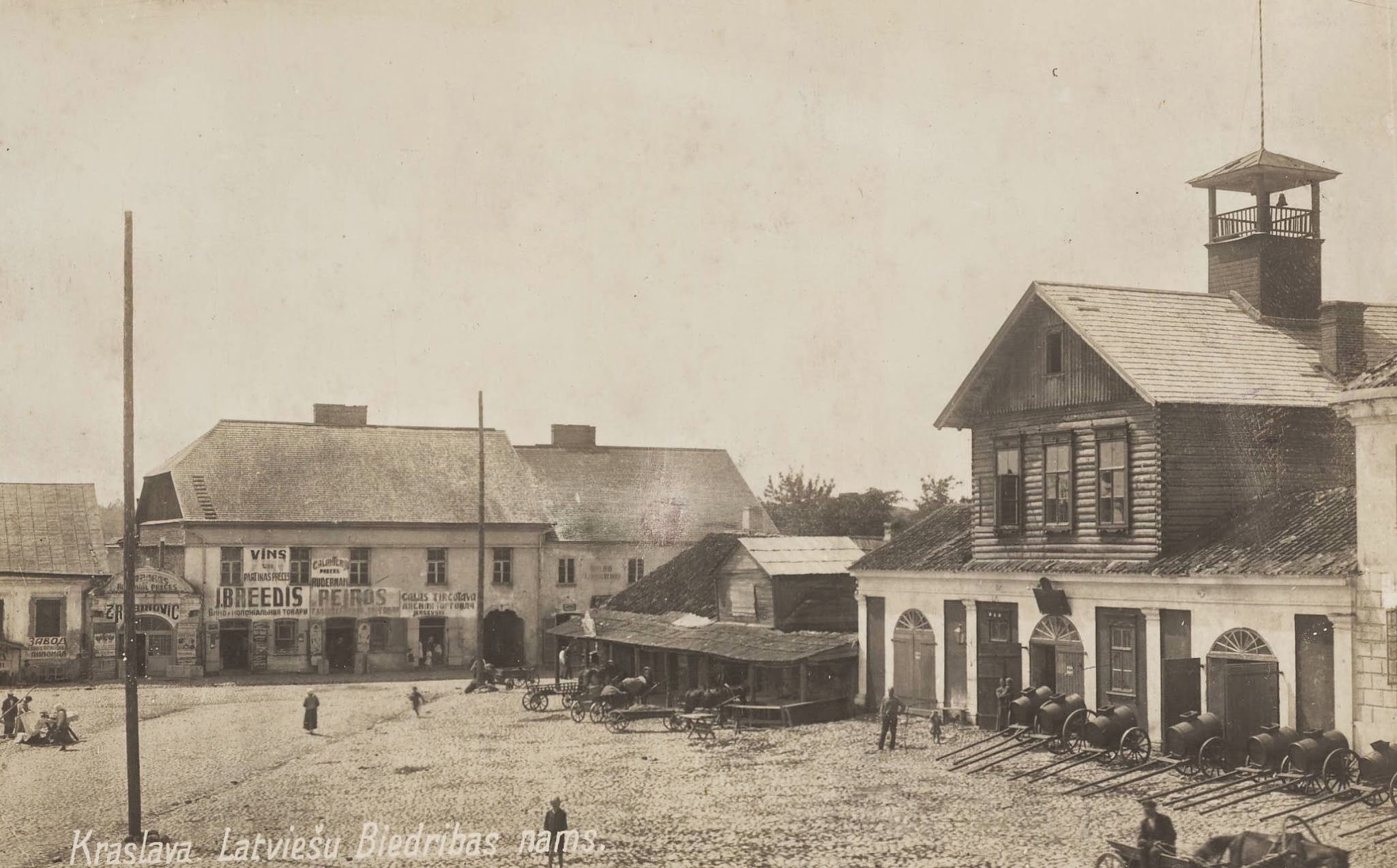
Although the name of Kraslava first appeared in written sources in the 14th century, numerous Latgalian castle mounds, ancient settlements, and burial sites in the surrounding area testify that the territory along the trade routes of River Daugava had been inhabited for centuries long before that.
In the 14th century, a fortified storehouse of the Livonian Holy Order was established in Kraslava. By 1558, it had become a feoff of the Order. Throughout the 16th and 17th centuries, the ownership of Kraslava changed frequently. In 1729, however, the estate was purchased by Count Jan Ludvig Plater, and it remained in his family’s possession until the First World War. The Platers' aimed to transform Kraslava into an administrative, spiritual, and economic center of Latgale. In 1808, the Latgalian administrative authorities were transferred from Daugavpils to Kraslava, though this lasted only until 1822. The town’s prosperity declined following a fire in 1826.
Kraslava experienced a revival in 1865 with the construction of a nearby Daugavpils–Vitebsk railway station. Yet in 1893, the settlement suffered extensive damage from another fire. Before the First World War, Kraslava had grown to become the second largest town in Latvia, with a population of 10,500 ihabitants. It was officially granted city rights in 1923.